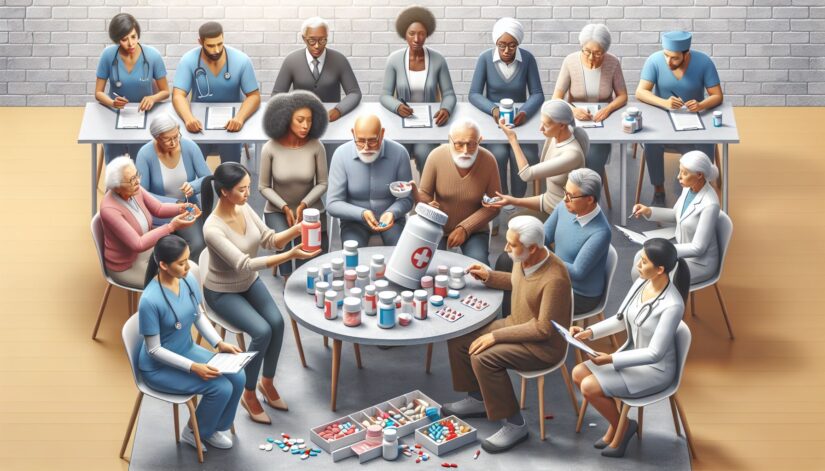
As we age, our bodies go through numerous changes, making us more susceptible to illnesses and ailments. With the advancement of medical science, there are now numerous medication options available to cater to the unique needs of senior citizens. However, it is crucial to recognize the significance of proper medication management for elderly individuals, ensuring their well-being and quality of life.
Understanding the Challenges
Older adults often face several challenges when it comes to managing their medications effectively. These challenges can include memory issues, difficulty reading labels, complex medication regimens, and difficulty swallowing pills. With these factors in mind, it is essential for patients, caregivers, and healthcare professionals to collaborate to overcome these challenges and ensure medication safety for the elderly.
Medication Adherence
Medication adherence, or the ability to take medications correctly as prescribed by a healthcare professional, is of utmost importance for elderly individuals. Non-adherence can lead to harmful consequences such as medication errors, drug interactions, and treatment inefficacy. In fact, according to the World Health Organization, medication non-adherence is a significant problem, resulting in approximately 50% of treatment failures and 125,000 deaths annually in the United States.
Tips for Effective Medication Management
To promote medication adherence and enhance the overall well-being of elderly individuals, here are some helpful tips:
-
Simplify Medication Regimens: Whenever possible, healthcare providers should strive to simplify medication regimens by reducing the number of medications and dosing frequencies. This can make it easier for elderly individuals to manage their medications correctly.
-
Organize Medications: Use pill dispensers or medication organizers with labeled compartments to ensure medications are taken at the correct times and in the proper dosages. This can significantly reduce the risk of missed or duplicated doses.
-
Use Larger Font Labels: Elderly individuals may experience visual impairments; therefore, it is essential to use larger font labels on medication bottles to aid readability.
-
Educate Patients and Caregivers: Healthcare professionals should provide comprehensive medication education to patients and caregivers. This includes explaining the purpose of each medication, potential side effects, and proper administration techniques.
-
Regular Medication Reviews: Periodically review medications with healthcare professionals to assess their effectiveness, dosage adjustments, and potential drug interactions. This ensures that the medication regimen remains appropriate and up-to-date.
The Role of Healthcare Professionals
Healthcare professionals play a vital role in ensuring the safe and effective use of medications among elderly individuals. They should collaborate with patients, caregivers, and pharmacists to establish a comprehensive medication plan tailored to the patient’s specific needs. Monitoring medication adherence and regularly reviewing medication regimens are essential practices to identify and address any potential problems promptly.
Conclusion
Proper medication management is paramount for elderly individuals to maintain their health and well-being. By simplifying medication regimens, employing medication organizers, and providing adequate education, we can enhance medication adherence among seniors. Additionally, the involvement of healthcare professionals is crucial in ensuring the safe use of medications and avoiding potential risks. Let us strive to empower elderly individuals to manage their medications effectively and live healthier lives.