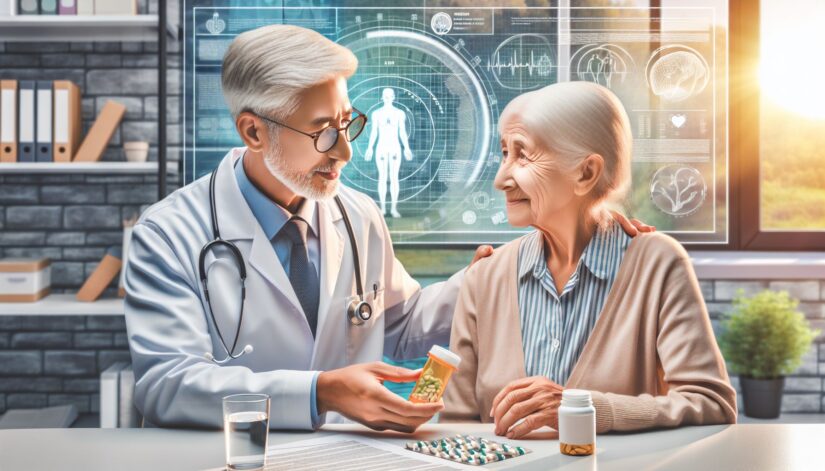
As we age, our bodies undergo numerous changes and become more vulnerable to illnesses and diseases. Managing our health, especially through the use of medicine, becomes crucial to maintaining a good quality of life. Elderly individuals, in particular, often require specific medical attention and medication to address age-related ailments and conditions. In this blog post, we will explore the importance of medicine in the health care of the elderly, how it helps them become more independent, and why adhering to prescribed medication is essential.
Medication: Promoting Independence among the Elderly
Medicine plays a vital role in promoting independence in the lives of senior citizens. As we age, our bodies experience a decline in immunity and are more prone to chronic conditions, such as diabetes, heart disease, and arthritis. Medications prescribed by healthcare professionals help manage these conditions, allowing elderly individuals to maintain their independence for longer durations.
For instance, blood pressure medications help regulate heart health, reducing the risk of stroke or heart attack. This allows elderly individuals to engage in daily activities without worrying about potential health emergencies. Similarly, medication for arthritis can alleviate pain and stiffness, providing seniors with increased mobility and enabling them to carry out everyday tasks with ease.
Enhancing the Quality of Life
Medication significantly contributes to enhancing the overall quality of life for older adults by assisting in the management of physical and mental health conditions. Elderly individuals frequently face mental health challenges, including depression and anxiety. Medicine prescribed for these conditions helps alleviate symptoms, providing them with a better mental state and enabling them to fully enjoy their lives.
Furthermore, medication for age-related ailments such as osteoporosis helps prevent fractures, ensuring better bone health. This promotes an active lifestyle among seniors, reducing the possibility of falls and associated injuries. By improving overall physical and mental health, medicine allows seniors to engage in various social and recreational activities, leading to a more enriching and fulfilling life.
The Importance of Medication Adherence
While medication can significantly benefit the elderly population, it is crucial to emphasize the importance of medication adherence. Adhering to prescribed medication regimens is vital to ensure their effectiveness.
As individuals age, keeping track of multiple medications and their respective dosages can become challenging. However, skipping doses or not following the prescribed instructions can have detrimental effects on the elderly person’s health. It is imperative for caregivers and healthcare providers to assist elderly individuals in managing their medication schedules effectively, including organizing pillboxes, setting reminders, and providing continuous support.
Conclusion
Medicine plays a critical role in the health care of the elderly, facilitating their independence, enhancing their quality of life, and managing age-related conditions. By adhering to prescribed medication regimens, elderly individuals can effectively address their health concerns and continue to lead fulfilling lives. Providing proper support, education, and medication management techniques to our aging population is essential to ensure their well-being and overall health as they embrace the golden years of their lives.