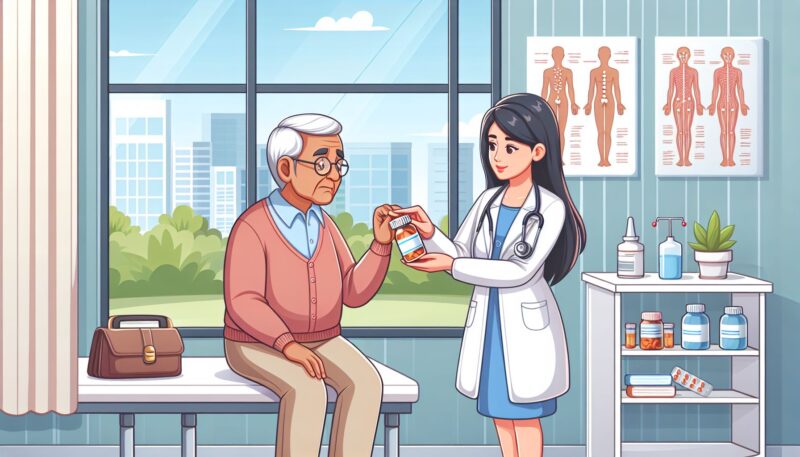
As we age, our bodies undergo numerous changes, which can lead to a range of health concerns. To address these issues effectively, elderly individuals often require specialized medical care tailored to their specific needs. Providing proper medical attention to seniors is of utmost importance to ensure their well-being and enhance their quality of life. In this article, we will discuss the significance of specialized medicine for elderly people and how it can greatly benefit this vulnerable population.
Understanding the Unique Healthcare Needs of the Elderly
Elderly individuals often experience multiple medical conditions simultaneously, which makes their healthcare needs significantly different from those of younger adults. Chronic diseases such as high blood pressure, diabetes, arthritis, and heart disease are commonly diagnosed in seniors. Moreover, age-related changes may even impact how medications are metabolized by their bodies, making medication management paramount for their safety and optimal health.
Enhanced Medication Management for Safety and Efficacy
One crucial aspect of specialized medicine for the elderly is proper medication management. Elderly individuals often take multiple medications simultaneously, which increases the risk of adverse drug interactions, side effects, and medication errors. With specialized medical care, healthcare professionals can diligently review and manage medication regimens to minimize such risks. They can identify potential drug interactions, adjust dosages if necessary, or consider alternative medications that may be more suitable for seniors. Ensuring medication safety and effectiveness can contribute to improving their overall health outcomes.
Tailored Approach to Preventative Medicine
Preventative medicine plays a pivotal role in maintaining the health and well-being of elderly individuals. Regular screenings, vaccinations, and wellness exams are essential to identify any potential health concerns at an early stage. Specialized healthcare providers for the elderly can educate seniors about the importance of preventative measures and ensure they receive the recommended screenings and immunizations. By taking a proactive approach, specialized medicine for the elderly can prevent or manage chronic conditions, ultimately reducing hospitalizations and promoting a healthier life.
Comprehensive Geriatric Assessments
The aging process often brings about physical, mental, and emotional changes, making comprehensive geriatric assessments vital for elderly individuals. These assessments evaluate various aspects of an individual’s health, including physical abilities, cognitive function, nutritional status, and social support. Specialized healthcare providers use the information gathered from these assessments to devise personalized care plans that address the specific needs and challenges of each senior. By tailoring treatment plans to the individual, elderly patients can receive the best possible care, promoting their overall well-being.
Conclusion
Specialized medicine for elderly people is of utmost importance to address the unique healthcare needs of this vulnerable population. By providing tailored medical care, prioritizing proper medication management, and focusing on preventative measures, healthcare professionals can significantly improve the overall health outcomes of elderly individuals. Ensuring their safety, well-being, and quality of life should be a priority for society as a whole. By emphasizing specialized medicine for the elderly, we can help them age gracefully and maintain optimal health throughout their golden years.