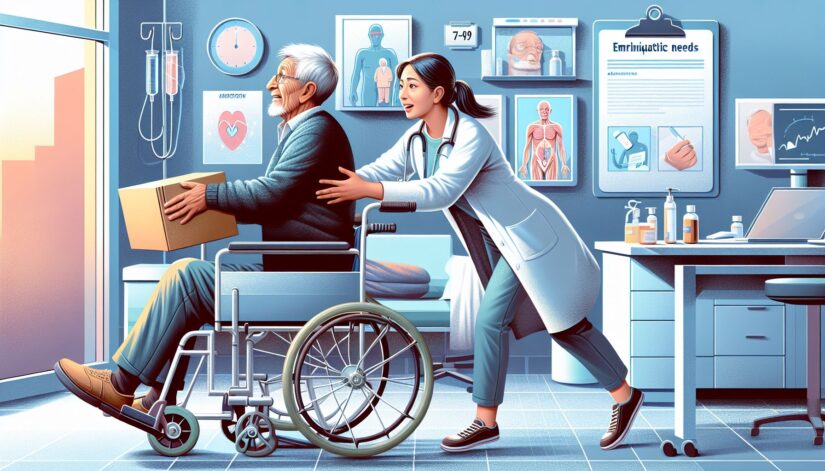
As we age, our bodies undergo numerous changes that can impact our health. From decreased bone density to an increased risk of chronic conditions, the elderly face unique healthcare challenges. To ensure their well-being, it is crucial to understand the specific medical needs of older individuals. In this article, we will explore the key aspects of medicine for elderly people, shedding light on the importance of tailored care and specialized treatment options.
The Importance of Individualized Care
With advancing age, the human body becomes more vulnerable to various illnesses and conditions. Common health issues among the elderly include cardiovascular diseases, arthritis, respiratory problems, and cognitive decline. One of the most critical aspects of medicine for older people is recognizing that each patient is unique. The same disease can manifest differently in different individuals, and personalizing their treatment becomes paramount.
To provide the best care for elderly patients, healthcare professionals need to consider their medical history, genetic predispositions, and current medications. Multiple medications can often lead to drug interactions or adverse reactions, necessitating close monitoring and regular dosage adjustments. By understanding the individual needs of the elderly, medical practitioners can develop personalized treatment plans that address their specific health concerns.
Specialized Treatment Options
Geriatric medicine acknowledges the distinct health needs of elderly individuals and offers specialized treatment options. The field focuses on preventing and managing diseases that commonly affect older people and aims to improve their overall quality of life. Some of the specialized treatment options include:
-
Pain Management: Chronic pain is a common issue among the elderly. Geriatric specialists employ various techniques such as medication management, physical therapy, and alternative therapies to alleviate pain in older patients effectively.
-
Fall Prevention: Falls are a significant cause of injuries among the elderly. Geriatric medicine emphasizes interventions to prevent falls, including regular physical exercise, home modifications, and medication review to minimize side effects that could contribute to falls.
-
Memory Care: Cognitive decline, including Alzheimer’s disease and other forms of dementia, becomes more prevalent as people age. Geriatric medicine offers memory care programs that focus on early diagnosis, cognitive rehabilitation, and support for both patients and their caregivers.
Holistic Approach to Healthcare
Beyond specialized treatment options, a holistic approach to healthcare is crucial for elderly patients. This approach encompasses not only their physical health but also considers their mental and emotional well-being. It involves addressing social determinants of health, promoting a healthy lifestyle, and fostering a strong support system.
Additionally, regular health screenings and preventive care are pivotal in maintaining elderly individuals’ well-being. Vaccinations, early disease detection, and continual monitoring of chronic conditions help prevent the onset of severe health problems and allow for timely intervention.
Conclusion
Medicine for elderly people must be tailored to their specific needs. By recognizing the individuality of each patient and employing specialized treatment options, we can provide comprehensive care for the elderly population. Ensuring a holistic approach to healthcare and promoting preventive measures enables older individuals to live healthier, more fulfilling lives. By supporting their well-being, we can empower elderly individuals to age gracefully and with improved overall quality of life.