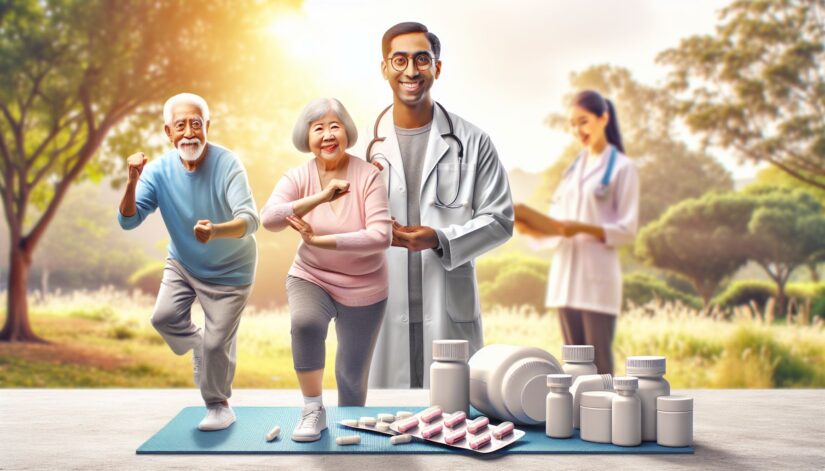
As we age, our bodies undergo various physiological changes, making it essential to adapt our healthcare and medical practices accordingly. With advancements in medicine and an increased understanding of geriatric health, the medical community has made significant strides in tailoring treatments to meet the unique needs of elderly individuals. This article will explore the importance of medicine for elderly people, addressing the challenges they face and the solutions available to unlock the secret to healthy aging.
The Aging Process and Its Impact on Health
Aging is a natural process characterized by a gradual decline in various bodily functions, including the immune system, metabolism, and organ function. These changes make older adults more susceptible to certain diseases, chronic conditions, and age-related ailments. Consequently, the administration of medicine for elderly individuals becomes critical for maintaining their overall well-being and quality of life.
Challenges in Medication Management for the Elderly
While medicine plays a vital role in managing health issues among the elderly, its proper use can be challenging due to several factors. These factors often include a higher likelihood of polypharmacy (multiple medications), difficulty in swallowing pills, impaired cognitive abilities, and the presence of complex medical conditions. Furthermore, drug interactions and side effects can be more pronounced in older individuals, necessitating careful prescription and monitoring. All of these factors emphasize the need for specialized medical attention for the elderly population.
Tailoring Medications to Meet Elderly Needs
To address the unique challenges faced by older adults, healthcare providers and pharmaceutical companies have been actively working to develop specialized medicine for the elderly. These efforts are primarily focused on enhancing drug safety and efficacy while minimizing adverse effects. Adjustments may include adapting dosages to account for decreased renal and hepatic function, ensuring easy-to-swallow formulations, and avoiding medications that may exacerbate age-related issues such as cognitive decline or frailty.
Additionally, prescribing medications that consider potential drug interactions and employing tools like medication reminder systems can significantly enhance medication adherence among the elderly. By tailoring treatment plans to the specific needs of older individuals, healthcare professionals and caregivers can optimize the benefits of medications while minimizing risks.
Collaborative Approach towards Geriatric Medicine
Elderly patients often benefit from a comprehensive approach to healthcare that goes beyond the prescription pad. A collaborative effort involving geriatricians, pharmacists, caregivers, and family members contributes to holistic care for the elderly population. This approach combines medication management, lifestyle modifications, and close monitoring to ensure optimal health outcomes.
Moreover, accurate documentation and regular medication reviews can help identify and address any potential issues arising from the use of medication. Regular consultations with healthcare providers allow for a thorough evaluation of treatment plans, including monitoring for side effects, adjusting dosages, and discontinuing unnecessary medication.
Conclusion
Medicine for elderly individuals plays a crucial role in maintaining and improving their health in the golden years. With advancements in the field of geriatric medicine, healthcare providers and pharmaceutical companies are developing innovative approaches to enhance medication safety and efficacy. By addressing the unique challenges faced by older adults and adopting a collaborative approach to geriatric care, we can ensure that the elderly population receives the specialized care they deserve. As we continue to expand our knowledge and understanding, we move closer to unlocking the secret to healthy aging and enabling seniors to enjoy their later years with vitality and well-being.