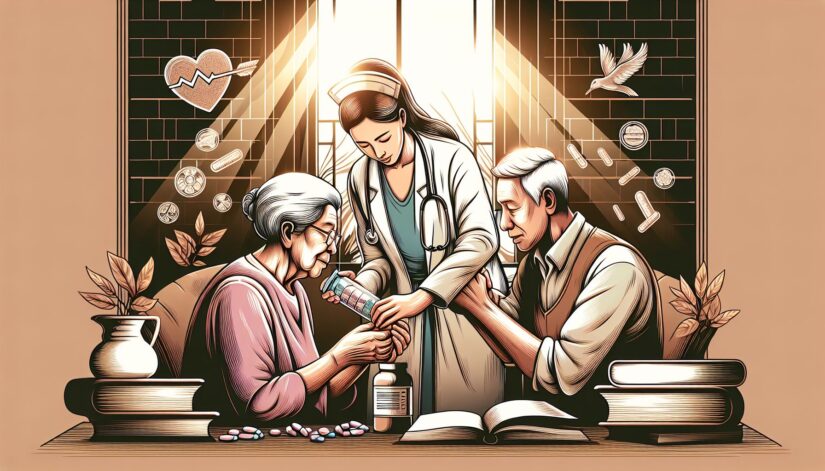
As we age, our bodies undergo various changes that can result in declining health and increased vulnerability to different illnesses. To ensure a good quality of life for elderly individuals, appropriate healthcare and medication play a crucial role. Medicines, when prescribed and used correctly, can alleviate symptoms, manage chronic conditions, and improve overall well-being. In this article, we will discuss the significance of medicine for elderly people and the considerations that need to be taken into account.
The Role of Medicine in Elderly Healthcare
For senior citizens, medication often becomes an integral part of their daily routine. It helps in the management of a wide range of health conditions, including diabetes, hypertension, arthritis, and heart disease. Additionally, medicines can relieve pain, minimize discomfort, and improve mobility, allowing older individuals to maintain an independent and active lifestyle.
Challenges and Considerations
While medicine can be highly beneficial for elderly people, some challenges and considerations need to be addressed to ensure its optimal use:
1. Polypharmacy: Polypharmacy refers to the use of multiple medications concurrently. With many seniors taking multiple prescriptions, there is an increased risk of drug interactions, adverse effects, and medication non-compliance. Regular medication reviews by healthcare professionals can help minimize these risks.
2. Memory and Cognitive Issues: Elderly individuals may struggle to remember when to take their medications or experience difficulties managing their prescriptions due to memory or cognitive issues. Caregivers or family members can provide support by setting up pill organizers or even utilizing medication reminder apps.
3. Sensory Impairments: Age-related sensory impairments, such as poor eyesight or hearing, can impact understanding medication instructions or reading fine print on labels. Healthcare providers should ensure clear communication and provide large-print and easy-to-understand labels when prescribing medications to older individuals.
4. Medication Side Effects: The side effects of medications can affect elderly individuals differently compared to younger individuals. Age-related changes in metabolism and organ functions can heighten the risk of adverse effects. Regular communication with healthcare providers can help manage these side effects and identify any necessary adjustments.
5. Non-Specific Symptoms: Elderly individuals may present with non-specific symptoms that could be the result of multiple health conditions or medication interactions. It is crucial for healthcare providers to conduct thorough evaluations and consider age-related changes to determine the appropriate medications and treatments.
Conclusion
As the aging population continues to grow, the importance of medicine in elderly healthcare cannot be overstated. Appropriate use of medications can significantly improve the quality of life for seniors, keeping chronic conditions in check, and minimizing discomfort. By addressing the challenges of polypharmacy, memory issues, sensory impairments, and medication side effects, healthcare providers can maximize the benefits of medicine for older individuals. Through effective communication and personalized care, we can ensure that elderly people receive the right medications, at the right time, and in the right way.