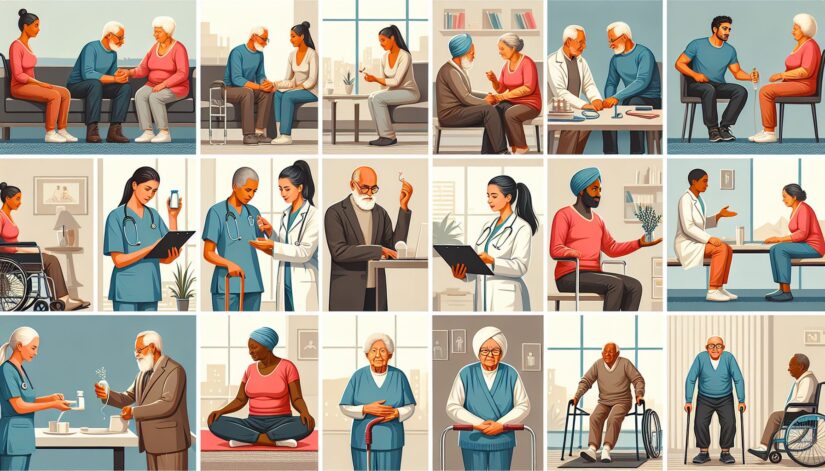
As we age, our bodies face numerous changes and challenges. With advancing years, the need for proper medical care and attention becomes imperative. Elderly people often experience a decline in their physical and mental health, making it crucial to tailor medicine to their specific needs. In this article, we will explore the various aspects of medicine for elderly individuals and the importance of catering to their unique requirements.
The Importance of Specialized Medicine
Elderly people commonly suffer from multiple chronic conditions such as heart disease, diabetes, arthritis, and cognitive disorders. These ailments often require long-term management and specialized medical care. As a result, healthcare professionals must recognize the complex interplay of medications, taking into account potential drug interactions and the individual’s overall health status.
Understanding Age-Related Changes
As our bodies age, the functioning of organs and bodily systems undergoes significant changes. These changes can alter the way our bodies absorb, metabolize, and eliminate medications. For example, the liver and kidneys’ efficiency may decrease, impacting the processing and clearance of drugs. Additionally, age-related changes in body composition, such as reduced muscle mass and increased body fat, can further affect drug distribution and effectiveness. It is vital for healthcare providers to be aware of these changes to ensure appropriate medication dosing and minimize adverse effects.
Polypharmacy and Medication Management
Polypharmacy, the use of multiple medications concurrently, is prevalent among the elderly. Juggling numerous prescriptions can be challenging, increasing the risk of medication errors and adverse reactions. Proper medication management is crucial to prevent drug-related complications and ensure optimal therapeutic outcomes. Healthcare professionals should regularly review and assess an individual’s medication regimen, considering potential interactions and possible drug redundancies. Simplifying medication routines, using pill organizers, and providing clear instructions also play essential roles in enhancing medication adherence among the elderly.
Communication and Collaboration
Medicine for elderly people requires collaboration and effective communication between healthcare providers, patients, and caregivers. Open and honest discussions about treatment goals, potential side effects, and overall health expectations are vital in shared decision-making processes. It is crucial for healthcare providers to actively listen to the concerns and goals of elderly patients, adapting treatment plans accordingly. Engaging caregivers in medication management can also help ensure seamless administration and adherence to prescribed regimens.
Adapting Medications for Cognitive Decline
Cognitive decline is prevalent among the elderly population, affecting memory, attention, and decision-making abilities. This decline can impact medication management, making it critical to prioritize simplicity and clarity in treatment plans. Using visual aids, larger font sizes, or even the integration of technology-based medication reminders can assist with regular dosing and minimize medication errors. Healthcare providers should assess an individual’s cognitive abilities and tailor medication plans accordingly, ensuring their comprehension and compliance.
Conclusion
Medicine for elderly people must consider the unique aspects of aging. With the prevalence of chronic conditions and the age-related changes in physiology, specialized care becomes essential. Effective communication and collaboration, medication management, as well as adapting treatments for cognitive decline, form the pillars of caring for the health of elderly individuals. By understanding the specific needs and challenges they face, we can ensure their medical care remains personalized and effective, enhancing their overall well-being during their golden years.