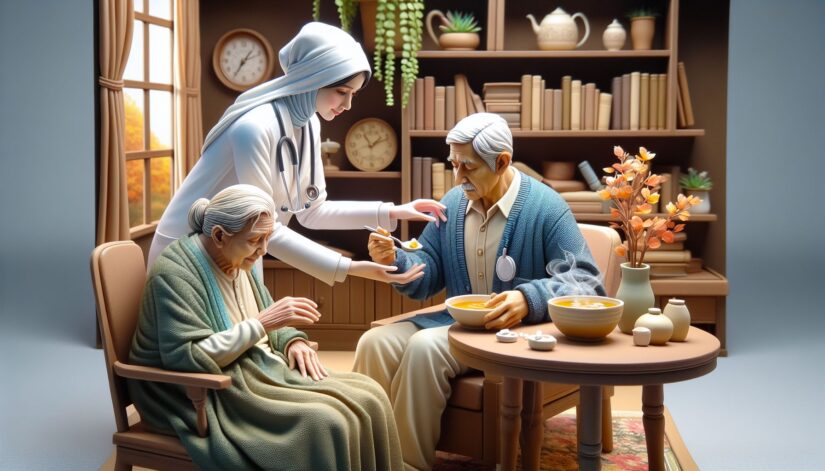
As our loved ones age, their health becomes a top priority. With the natural progression of time, the elderly often face a range of medical issues that require thoughtful and attentive care. It is crucial for us to understand the unique challenges that aging brings, and to ensure that senior citizens receive the appropriate medicine to cater to their specific needs.
The Importance of Medicine in Elderly Care
Medication plays a vital role in maintaining the health and well-being of our elderly family members. However, administering medicine to older adults can be complex due to various factors such as multiple health conditions, cognitive decline, and medication interactions. As caregivers, we must be well-informed about the medications prescribed to our loved ones and work closely with healthcare professionals to provide the best possible care.
Key Considerations for Medicating the Elderly
While caring for the elderly, it is essential to keep several key considerations in mind to ensure their safety and optimize treatment outcomes:
1. Understanding individual needs:
No two aging individuals are the same. Each person may have their unique set of health conditions, including chronic illnesses, which require different types and dosages of medication. Consulting with healthcare professionals and adhering to prescribed treatment plans is crucial to meet each individual’s distinct requirements.
2. Managing polypharmacy:
Polypharmacy, the use of multiple medications, is common among the elderly. However, it increases the risk of adverse drug interactions and medication-related problems. It is advisable to regularly review the medications with healthcare professionals, ensuring that all prescribed drugs are necessary and do not pose unnecessary risks.
3. Proper medication management:
Older adults may face memory difficulties, making it challenging for them to remember their medication schedules. Caregivers can offer support by organizing medication in pillboxes, setting reminders, or even utilizing smartphone applications to help seniors stay on track with their medication regimen.
4. Regular medication reviews:
As time passes, an elderly person’s health condition can change, potentially altering the efficacy or necessity of prescribed medications. It is important to periodically review and reassess the medications with healthcare providers, ensuring that treatments remain appropriate and effective.
5. Watch for side effects:
Elderly individuals are often more susceptible to medication side effects. This vulnerability can be due to age-related changes in metabolism, decreased organ function, or concurrent health conditions. It is crucial for caregivers to monitor their loved ones closely, promptly report any adverse effects to medical professionals, and seek necessary adjustments or alternatives, if required.
Conclusion
When it comes to medicine for elderly people, it is essential that we approach their care with knowledge, compassion, and attention to detail. Engaging in open communication with healthcare professionals, addressing the unique challenges of aging, and tailoring medication management to individual needs are all pivotal aspects of providing proper healthcare support to our senior loved ones. By implementing these strategies, we can help ensure that our aging family members receive the best possible medical care, enhancing their quality of life and overall well-being.